
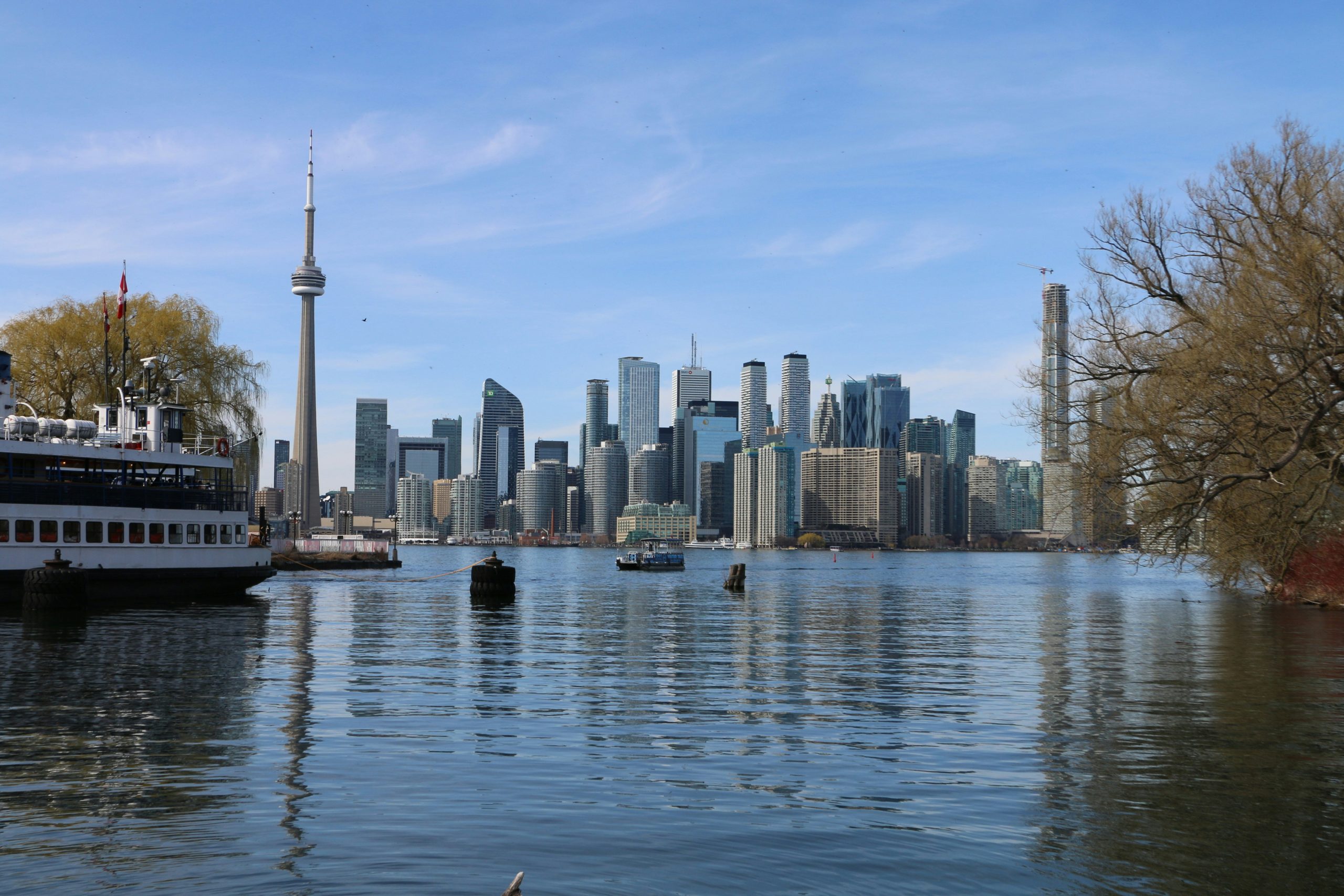

Kensington-Chinatown: Toronto’s Most Walkable Short-Term Rental Neighbourhood
Key Takeaways
- Kensington-Chinatown has roughly 600 active short-term rental listings, spread across Victorian houses, converted lofts, and small condo buildings rather than downtown mega-towers.
- Toronto rules: principal residence only, City registration required, entire-home rentals capped at 180 nights per year, and where a condo corporation is involved, its rules apply on top.
- Demand here is unusually steady — the University of Toronto, the University Health Network hospitals, and two of the city’s most visited food districts sit within a few blocks of almost every listing.
| Toronto Short-Term Rental Rules at a Glance | |
|---|---|
| City registration | Required for all operators |
| Principal residence | Required — you can only rent your own home |
| Entire-home night cap | 180 nights per calendar year |
| Municipal accommodation tax | 6% MAT, collected on stays under 30 nights |
| Condo corporation rules | Vary by building — some permit, some restrict, some prohibit STRs |
If you are looking for Airbnb management in Kensington-Chinatown, you are looking at a market unlike any other in Toronto. This is not a tower district. Kensington-Chinatown is a combined downtown neighbourhood. It takes in Kensington Market, Toronto’s Chinatown along Spadina Avenue and Dundas Street West, Baldwin Village, and the Grange Park area. It has roughly 600 active listings. They are scattered through Victorian row houses, converted warehouse lofts, walk-up apartments above storefronts, and a handful of boutique condos. Guests book here for character and walkability, not for a gym and a concierge desk.
That mix is the opportunity. Kensington Market was designated a National Historic Site of Canada in 2006, Chinatown is one of the largest in North America, and the Art Gallery of Ontario, OCAD University, and the University of Toronto are all within walking distance. Few Toronto neighbourhoods generate guest demand from so many different directions at once — tourists, students’ families, hospital visitors, academics, and food travellers — and fewer still do it twelve months a year.
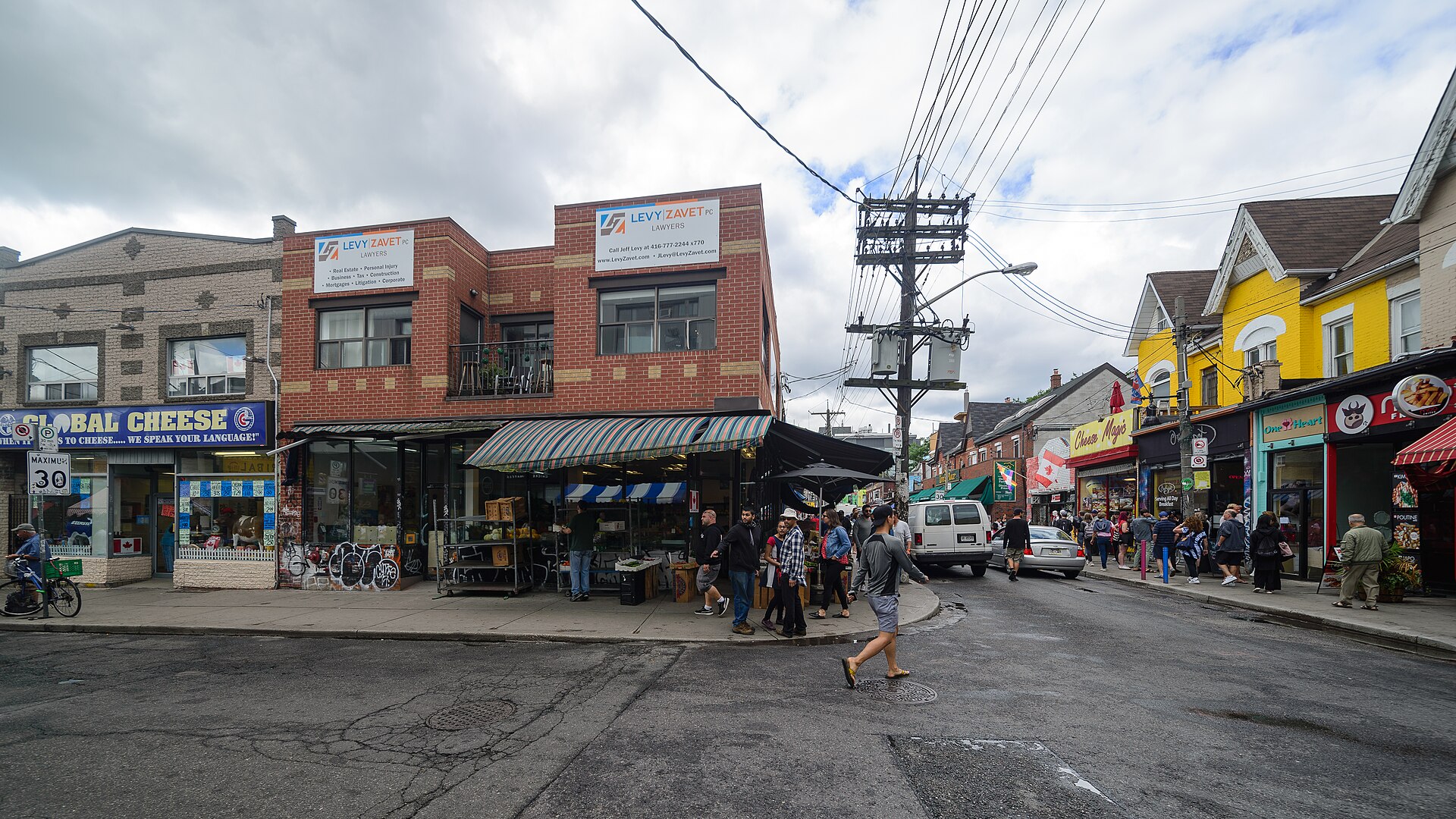
Photo: Arild Vågen / Wikimedia Commons (CC BY-SA 4.0)
Is Airbnb Actually Allowed in Kensington-Chinatown?
Yes — under Toronto’s citywide rules. A short-term rental must be the operator’s principal residence, the operator must be registered with the City of Toronto, and entire-home rentals are capped at 180 nights per year. You can read the full breakdown in our guide to Toronto’s Airbnb rules. The official rules are on the City of Toronto’s short-term rentals page.
The local wrinkle is the building stock. In a house or a small multiplex, the City’s rules are usually the whole story, along with your insurance and any lease terms. In a condo — and there are several along Spadina and College — the condo corporation’s declaration and rules apply as well, and some prohibit short-term rentals entirely. Casa Co-Host confirms the rules for your specific property before anything is listed, so a profitable launch never becomes a compliance problem.
Dragon Condos — 270 Spadina Avenue and 10 Willison Square
The Dragon Condos are the best-known purpose-built condo address in the neighbourhood: a mid-rise building at Spadina and Dundas, in the heart of Chinatown, with the 510 Spadina streetcar at the door. Suites are compact, many have balconies with south views toward the CN Tower, and the rooftop terrace and lounge photograph well. Guests here are location-first — they want Chinatown’s restaurants downstairs and downtown a short walk away. Because layouts repeat, pricing discipline and review scores are what separate a booked-out unit from a stale one, and the building’s own STR policy has to be verified before listing.
The College and Spadina Condo Cluster
At the neighbourhood’s northwest corner, the towers and mid-rise condos around College Street and Spadina Avenue — including the buildings at 203 College and 297 College — serve a distinct guest segment: visiting academics, medical researchers, and families in town for the University of Toronto and the hospitals on University Avenue. These units often perform better on weekday and mid-length stays than pure leisure listings, and they reward owners who equip them properly — a real desk, fast Wi-Fi, blackout blinds, and a kitchen guests can actually cook in after a long day at Toronto General or Princess Margaret.
The Victorian Houses of Kensington Market
West of Spadina, the Market itself is a warren of Victorian houses on Bellevue Avenue, Nassau Street, Augusta Avenue, and Kensington Avenue — many divided into character suites, garden flats, and upper-floor apartments above the shops. This is the stock guests imagine when they book “Kensington”: bay windows, front porches, and produce stalls at the end of the street. It is also the most hands-on stock to operate. Parking is scarce, garbage day matters, sound travels between floors, and neighbour relations are everything on streets this tight. Professional guest communication and a careful house manual make the difference between five-star charm and a noise complaint.
Baldwin Village and the McCaul Street Strip
On the neighbourhood’s east side, Baldwin Village — the restaurant row along Baldwin Street between McCaul and Henry — and the condos and converted houses around McCaul Street and Grange Park draw a quieter guest: gallery visitors, hospital staff on short contracts, and couples pairing an AGO visit with a weekend in the city. The Art Gallery of Ontario and OCAD University’s Sharp Centre are the anchors here, and listings that lean into the arts-and-food angle in their photography and descriptions consistently out-convert generic downtown copy.
What Top-Performing Kensington-Chinatown Listings Do Differently
The listings that win in this neighbourhood sell the streets outside as hard as the space inside. They lead with light-filled, character photography; they write honestly about stairs, street noise on festival weekends, and limited parking — and earn better reviews for it; they price around the academic and hospital calendars, not just the tourist season; and they stock kitchens properly, because guests in Kensington genuinely cook, with the Market’s fishmongers, cheese shops, and produce stalls two minutes away. In a 600-listing market where no two properties are alike, that local fluency is exactly what a specialist manager provides. For a comparison of management models, see our post on Airbnb co-host vs. property manager.
1. Kensington Market and Pedestrian Sundays
The Market is a year-round attraction in its own right — vintage clothing rows on Kensington Avenue, Latin American grocers, bakeries, cafés, and live music spilling out of Bellevue Square Park. From late spring through autumn, Pedestrian Sundays close the streets to cars on the last Sunday of the month and turn the whole district into a street festival. Owners within a few blocks can price those weekends with confidence, because guests book specifically to be inside the Market, not near it.
2. Chinatown and the Spadina Food Corridor
Toronto’s downtown Chinatown, centred on Spadina Avenue and Dundas Street West, is both a cultural destination and a practical one — dim sum palaces, noodle houses, herbalists, the Dragon City Mall and Chinatown Centre, and grocery shopping guests actually use on longer stays. Lunar New Year and the Toronto Chinatown Festival each summer bring surges of visiting families, and the neighbourhood’s restaurants keep baseline demand strong in every season, including the winter weeks when purely tourist districts go quiet.
3. The University of Toronto and OCAD University
The St. George campus wraps around the neighbourhood’s north and east edges, and OCAD University sits on McCaul Street beside the AGO. Together they generate a dependable academic calendar of demand: September move-ins, convocation weeks, conferences, guest lectures, campus tours, and parents’ weekends. These guests stay longer, book earlier, and treat a property with care — some of the most valuable bookings an owner in this area can capture, provided pricing is set for them months ahead rather than at the last minute.
4. The University Avenue Hospital Corridor
Toronto Western Hospital stands right in the neighbourhood at Bathurst and Nassau, and the University Health Network cluster — Toronto General, Princess Margaret Cancer Centre, SickKids, and Mount Sinai — lines University Avenue a short walk east. Families supporting a patient, patients travelling for treatment, locum clinicians, and medical trainees all need calm, clean, well-equipped places to stay near the hospitals, often on short notice and for extended stretches. Listings that serve this segment respectfully — flexible check-in, a proper kitchen, laundry, and quiet — build repeat bookings and referrals that leisure marketing never reaches.
5. The AGO, Grange Park and Queen West
The Art Gallery of Ontario on Dundas Street West, with Grange Park behind it, anchors the cultural side of the neighbourhood, while Queen Street West — a few minutes south — adds galleries, boutiques, and nightlife. Exhibition openings, TIFF in September, and design and fashion events through the year send a steady flow of culture-led visitors into Baldwin Village and the Grange area. Guests in this segment compare listings on style, so design-forward presentation pays for itself here faster than almost anywhere else in the city. Our CityPlace management guide shows how the same event calendar plays out one neighbourhood south.
6. Downtown Access Without Downtown Sameness
Kensington-Chinatown sits on the 505 Dundas, 506 College, 510 Spadina, and 501 Queen streetcar routes, between St. Patrick and Queen’s Park subway stations, and a walkable distance from Union Station, the financial district, and the Rogers Centre. Guests get every downtown advantage — including the FIFA World Cup 2026 crowds, with BMO Field a short streetcar ride west — while sleeping in a neighbourhood with genuine street life. Our Yorkville management guide covers the premium end of this same downtown demand; Kensington-Chinatown is its character-driven counterpart.
Airbnb Management in Kensington-Chinatown: How Casa Co-Host Manages Properties
Listing Optimization
Photography and copy that sell your specific street — the Market, Chinatown, Baldwin Village, or the Grange — with honest, search-friendly descriptions that match the right guests to houses, lofts, and condos alike. See how we approach it in our guide to hiring an Airbnb manager in Toronto.
Dynamic Pricing
Rates that follow Pedestrian Sundays, the academic calendar, hospital demand, TIFF, and downtown event nights — managed against Toronto’s 180-night cap so your strongest nights carry the year.
Guest Communication
Fast, knowledgeable messaging from inquiry to checkout, including the practical guidance this neighbourhood demands: where to park, what to expect on a festival Sunday, and how the house works. Registration-compliant screening and clear house rules keep neighbours on side.
Cleaning, Inspections and Maintenance
Hotel-standard turnovers adapted to older homes and walk-up buildings, a documented inspection after every stay, and maintenance coordination with trades who know downtown properties. Learn more about our experienced co-host program.
Own a Property in Kensington-Chinatown?
Roughly 600 listings compete here, but very few are managed with real local knowledge. Casa Co-Host provides full-service Airbnb management in Kensington-Chinatown and across Toronto — pricing, marketing, guest care, cleaning, and property care under one roof, for houses, lofts, and condos. Get in touch for a free income estimate for your property, and find out what this neighbourhood’s year-round demand could earn you.
Kensington-Chinatown Airbnb Management FAQs
Do I need a licence to run an Airbnb in Kensington-Chinatown?
You need a City of Toronto short-term rental registration, and the property must be your principal residence. Entire-home rentals are capped at 180 nights per year. If your property is a condo, your corporation’s rules apply on top of the City’s — Casa Co-Host verifies both before launch.
Are houses or condos better for Airbnb in this neighbourhood?
Both work, for different guests. Kensington’s Victorian houses and suites suit families and longer stays and trade on character; the Spadina and College condos suit business, academic, and hospital stays and are simpler to operate. What matters most is matching the listing, the pricing, and the guest expectations to the property type.
What does Casa Co-Host charge for Kensington-Chinatown Airbnb management?
Our full-service management fee is a percentage of booking revenue — typically in the 15 to 20 per cent range depending on the property — with no fixed-term contract. Pricing, marketing, guest communication, cleaning, and property care are all included.
How much can a Kensington-Chinatown property earn?
Earnings depend on property type, size, and how well the calendar is managed across the academic, hospital, and festival seasons that drive this neighbourhood. Professionally managed listings capture demand segments — visiting academics, hospital families, event guests — that a single flat nightly rate misses. Contact us for a free, property-specific income estimate.
