

The Junction: Toronto’s Village-Like West End, Built for Longer Stays
Key Takeaways
- The wider Dovercourt-Wallace Emerson-Junction ward counts roughly 535 active listings — a ward-level figure spanning several west-end neighbourhoods, not the Junction alone — so competition inside the Junction itself is lighter than downtown.
- Toronto rules: principal residence only, City registration required, entire-home rentals capped at 180 nights per year, and where a condo or loft corporation is involved, its rules apply on top.
- The Junction’s stock is houses, hard lofts, and boutique condos — the family-sized, character-rich properties that guests choose for High Park, visiting relatives, and slower west-end stays.
| Toronto Short-Term Rental Rules at a Glance | |
|---|---|
| City registration | Required for all operators |
| Principal residence | Required — you can only rent your own home |
| Entire-home night cap | 180 nights per calendar year |
| Municipal accommodation tax | 6% MAT, collected on stays under 30 nights |
| Condo corporation rules | Vary by building — some permit, some restrict, some prohibit STRs |
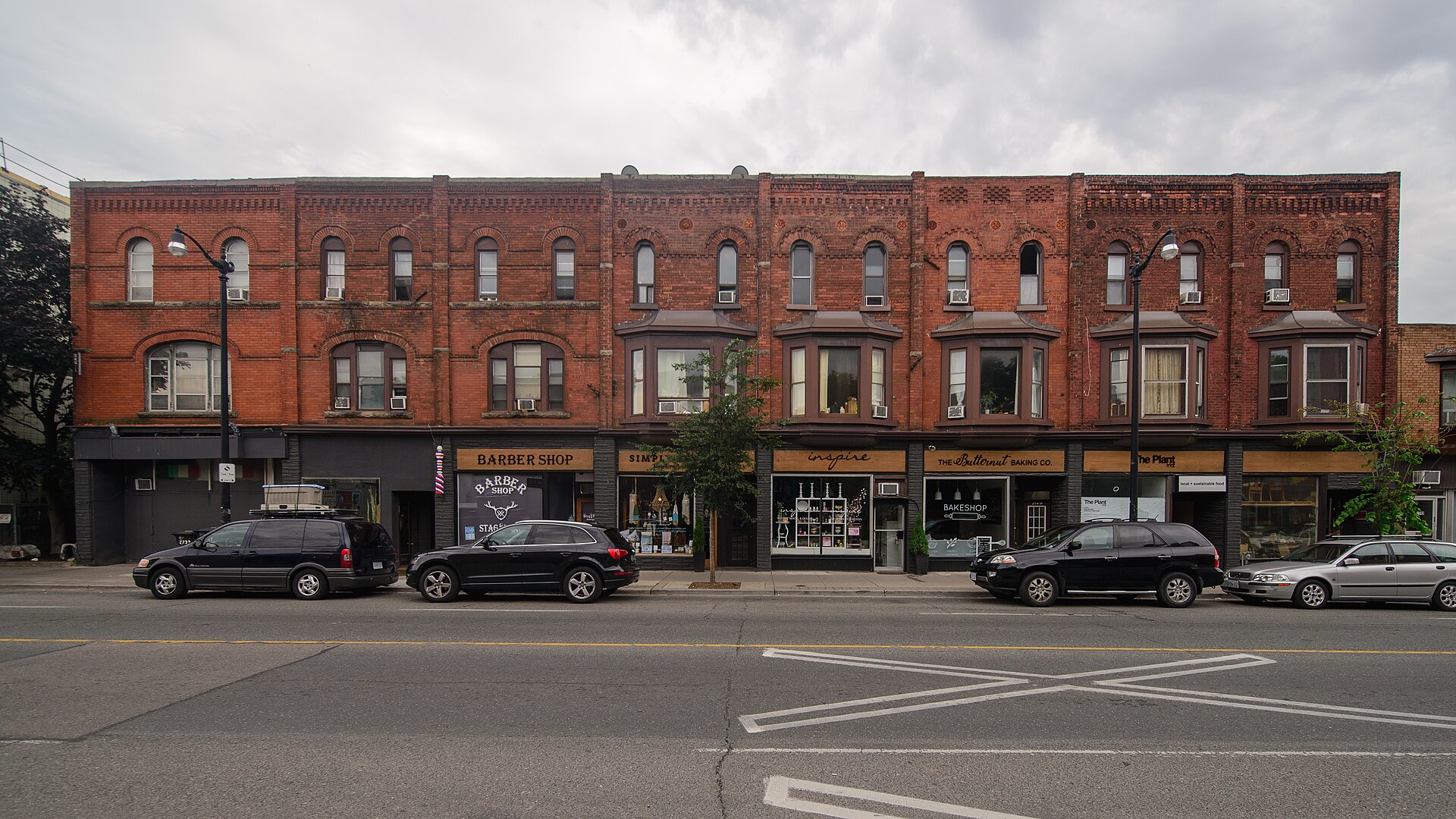
If you are looking for Airbnb management in The Junction, you are looking at one of Toronto’s most distinctive rental markets. The Junction centres on the intersection of Dundas Street West and Keele Street. Four railway lines once met there at the West Toronto Diamond, which gave the neighbourhood its name. It is a former independent town, with a main street of independent shops and restaurants. Its streets hold Victorian and Edwardian houses, plus a growing collection of loft and boutique condo buildings. It feels like a village, and guests book it that way.
The numbers tell a calmer story than downtown. The City ward that includes the Junction — Dovercourt-Wallace Emerson-Junction — counts roughly 535 active listings across all of its neighbourhoods, which means the Junction’s own share is modest and no owner here is fighting hundreds of identical units in the same tower. What the Junction offers instead is space: family-sized houses, real backyards, parking that actually exists, and High Park at the end of the street. For the right guests, that combination outperforms a downtown condo — and it rewards owners who manage it properly.
Photo: Arild Vågen / Wikimedia Commons (CC BY-SA 4.0)
Is Airbnb Actually Allowed in The Junction?
Yes — under Toronto’s citywide rules. A short-term rental must be the operator’s principal residence, the operator must be registered with the City of Toronto, and entire-home rentals are capped at 180 nights per year. You can read the full breakdown in our guide to Toronto’s Airbnb rules. The official rules are on the City of Toronto’s short-term rentals page.
Because so much of the Junction’s stock is houses rather than condos, the City’s rules are often the main layer — along with your insurance and neighbour considerations on quiet residential streets. Where a property is a condo or a loft conversion, the corporation’s declaration and rules apply as well, and policies differ by building. Casa Co-Host verifies the position for your specific property before listing, so there are no surprises after the first booking arrives.
Heintzman Place — Heintzman Street, by the Rail Lands
The two large condominium residences of Heintzman Place, on Heintzman Street just west of Keele, are the Junction’s biggest single pool of condo suites — family-sized layouts, proper amenities, and quick access to both the Dundas West strip and the Stockyards shopping district to the north. These units draw a practical guest: families in town for a week, professionals on short placements, and visitors who want downtown access without downtown prices or parking headaches. With many similar suites in one community, sharp pricing and strong review volume decide the winners.
Junction House and the Dundas West Mid-Rise Buildings
At the eastern gateway of the neighbourhood, where Dundas Street West meets Dupont Street, Junction House is the emblem of the Junction’s newer stock: a boutique nine-storey mid-rise with loft-style finishes, terraces, and two-storey suites that photograph beautifully. Along with the smaller contemporary buildings that have followed it along Dundas, it serves design-conscious couples and younger travellers who want the west end’s restaurant strip at their feet and the West Toronto Railpath — which runs from this corner straight toward downtown — for cycling into the core.
260 High Park and the Victoria Lofts — The Church Conversions
The Junction and High Park North hold some of Toronto’s most memorable conversions. At High Park Avenue and Annette Street, 260 High Park Lofts reimagines the former High Park Alhambra United Church as loft residences around a landscaped courtyard, and the Victoria Lofts on Annette Street — another church conversion, divided into 34 suites — offers soaring ceilings and original architectural detail you simply cannot build today. Guests book these units for the building itself, and they review them like it. Owners here own genuine one-of-one listings; the manager’s job is presentation and pricing worthy of that.
The Houses of Annette, Pacific and High Park Avenue
The neighbourhood’s foundation stock is its houses: brick Victorian and Edwardian semis and detached homes along Annette Street, High Park Avenue, Pacific Avenue — the old straightaways of the Carleton Race Course that once stood here — and the side streets running south to Bloor. Whole-home guests in the Junction are typically families: visiting grandparents, parents with kids in tow for a High Park week, or groups who need three real bedrooms, a kitchen table that seats six, and a backyard. These properties earn on space and trust, and they need an operator who handles parking, snow, lawns, and neighbours as carefully as pricing.
What Top-Performing Junction Listings Do Differently
Success in the Junction looks different from downtown. The top performers market to families and longer stays first — cribs and high chairs on request, a stocked kitchen, laundry that works, and a guide to the neighbourhood’s bakeries and parks. They price for weekends in High Park and week-long family visits instead of chasing one-nighters. They communicate parking and quiet-street expectations before arrival, not after a complaint. And they keep houses guest-ready in every season, from Railpath cycling weather to February snow. In a low-competition pocket, that reliability compounds quickly into reviews and repeat bookings. Our CityPlace management guide shows the high-density end of Toronto’s market — the Junction is the deliberate opposite, and it should be run that way.
1. High Park, Toronto’s Great Backyard
High Park — 161 hectares of trails, gardens, a zoo, and the Grenadier Pond shoreline — begins a few blocks south of the Junction, and it is the neighbourhood’s single biggest demand driver. Cherry blossom season each spring, summer Shakespeare and sports, autumn colour, and winter skating all send visitors looking for places to stay within walking distance. Families in particular choose a Junction house over a downtown hotel room: the park in the morning, the Dundas West restaurants in the evening, and space to spread out in between.
2. The Dundas West Restaurant and Shopping Strip
Dundas Street West, from Keele east toward Runnymede, is the Junction’s living room — independent cafés, bakeries, breweries, vintage and design shops, and a dining scene that has grown steadily since the neighbourhood’s long prohibition era finally ended in 1997. Add the Saturday farmers’ market tradition, the Junction Summer Solstice Festival, and seasonal street events, and the strip generates its own visitor traffic year-round. Guests consistently cite the main street — not a landmark — as the reason they would return, which makes it a powerful theme in listing copy.
3. MOCA and the Junction Triangle Arts Cluster
Just east, in the Junction Triangle and Lower Junction, the Museum of Contemporary Art on Sterling Road anchors a growing cluster of galleries, studios, breweries, and converted industrial space. Exhibition openings, art and design events, and the steady creative-industry traffic around them bring a design-aware guest who books lofts and character houses, stays over weekends, and travels in every season. Junction listings with genuine style — the church lofts especially — are the natural home for this segment. Our Yorkville management guide covers the downtown version of this culture-led demand.
4. The Stockyards and St. Clair West
At the neighbourhood’s north edge, the Stockyards district around Keele Street and St. Clair Avenue West — once the Ontario Stock Yards themselves — is now one of the west end’s major retail hubs, drawing shoppers and workers from across the city. It supports a quieter, practical demand segment: people in town for training, contracts, family events in the west end, and longer stays where free parking and full-sized grocery and retail access matter more than a downtown address. Heintzman Place and the north-Junction houses are perfectly placed for it.
5. Transit That Makes Downtown Optional — and Easy
The Junction is one of the best-connected “quiet” neighbourhoods in Toronto. Dundas West station links the Bloor subway, the UP Express to Pearson Airport and Union Station, and GO Transit’s Bloor station; Keele and High Park stations are minutes away; and the 505 Dundas streetcar and the West Toronto Railpath run straight downtown. Guests can land at Pearson and be at the door without a car, then reach a Jays game or a financial-district meeting faster than from many nominally central addresses. That access underwrites weekday and business demand that pure residential pockets never see.
6. Family Visits, Relocations and Life Events
The Junction is a neighbourhood people move to — which means it is also a neighbourhood people visit. Grandparents near new babies, families house-hunting or between closings, relatives in for weddings at west-end venues, and guests attending events at George Bell Arena and the Runnymede and Annette community hubs form a dependable, year-round base of longer bookings. These guests book whole houses, treat them well, and return for the next family milestone. An owner whose calendar and pricing welcome five-to-fourteen-night stays — rather than only weekend tourists — captures the Junction’s real strength.
Airbnb Management in The Junction: How Casa Co-Host Manages Properties
Listing Optimization
Photography and copy that sell what the Junction actually is — space, character, the main street, and High Park — with honest guidance on parking, stairs, and house quirks that earns better-matched guests and better reviews. See how we approach it in our guide to hiring an Airbnb manager in Toronto.
Dynamic Pricing
Rates shaped around High Park’s seasons, festival weekends, and family-visit patterns, with length-of-stay pricing that favours the week-long bookings this neighbourhood does best — all managed against Toronto’s 180-night cap.
Guest Communication
Fast, local messaging from inquiry to checkout: where to park, what is on along Dundas West this week, how the house works, and clear quiet-street expectations that keep neighbours happy and reviews high.
Cleaning, Inspections and Maintenance
Hotel-standard turnovers scaled for full houses, a documented inspection after every stay, and coordination of the house-specific work — snow clearing, lawns, porches, and furnaces — that condo managers never have to think about. Learn more about our experienced co-host program.
Own a Home or Condo in The Junction?
The Junction rewards owners who play its real game: space, character, and family-ready stays in a neighbourhood guests genuinely love. Casa Co-Host provides full-service Airbnb management in The Junction and across Toronto — pricing, marketing, guest care, cleaning, and property care under one roof, for houses, lofts, and condos alike. Get in touch for a free income estimate for your property, and find out what professional management could earn you here.
The Junction Airbnb Management FAQs
Do I need a licence to run an Airbnb in The Junction?
You need a City of Toronto short-term rental registration, and the property must be your principal residence. Entire-home rentals are capped at 180 nights per year. If your property is a condo or loft, your corporation’s rules apply on top of the City’s — Casa Co-Host verifies both before launch.
Do Junction houses really outperform downtown condos?
They can, for the right guest segments. Junction houses offer bedrooms, backyards, and parking that downtown condos cannot, close to High Park and Dundas West — exactly what families and longer-stay guests pay for. Downtown towers win on event-night volume; Junction homes win on space, stay length, and lower direct competition. Earnings are property-specific, and we are happy to run the numbers for yours.
What does Casa Co-Host charge for Junction Airbnb management?
Our full-service management fee is a percentage of booking revenue — typically in the 15 to 20 per cent range depending on the property — with no fixed-term contract. Pricing, marketing, guest communication, cleaning, and property care are all included.
What kinds of guests stay in The Junction?
Mostly families and longer-stay guests: High Park visitors, people visiting Junction relatives, families relocating or between homes, arts visitors drawn to MOCA and the west-end gallery scene, and practical stays tied to the Stockyards and St. Clair. It is a steadier, less party-driven guest mix than the downtown core — one reason neighbours and reviews tend to be kind to well-run Junction listings.
