

The Annex: Toronto’s University Quarter, Built for Long, Quiet Stays
Key Takeaways
- The Annex is Toronto’s classic university neighbourhood. Tree-lined streets of Victorian and Edwardian houses. A lively Bloor Street strip. The University of Toronto’s St. George campus on its doorstep.
- Toronto rules: principal residence only, and City registration required. Entire-home rentals are capped at 180 nights per year. Where a condo corporation is involved, its rules apply on top.
- Annex stock is mostly houses, not towers — character homes, subdivided mansions, and a handful of boutique condos. Guests book it for the university, the museums, and the Bloor Street culture corridor.
| Toronto Short-Term Rental Rules at a Glance | |
|---|---|
| City registration | Required for all operators |
| Principal residence | Required — you can only rent your own home |
| Entire-home night cap | 180 nights per calendar year |
| Municipal accommodation tax | 6% MAT, collected on stays under 30 nights |
| Condo corporation rules | Vary by building — some permit, some restrict, some prohibit STRs |
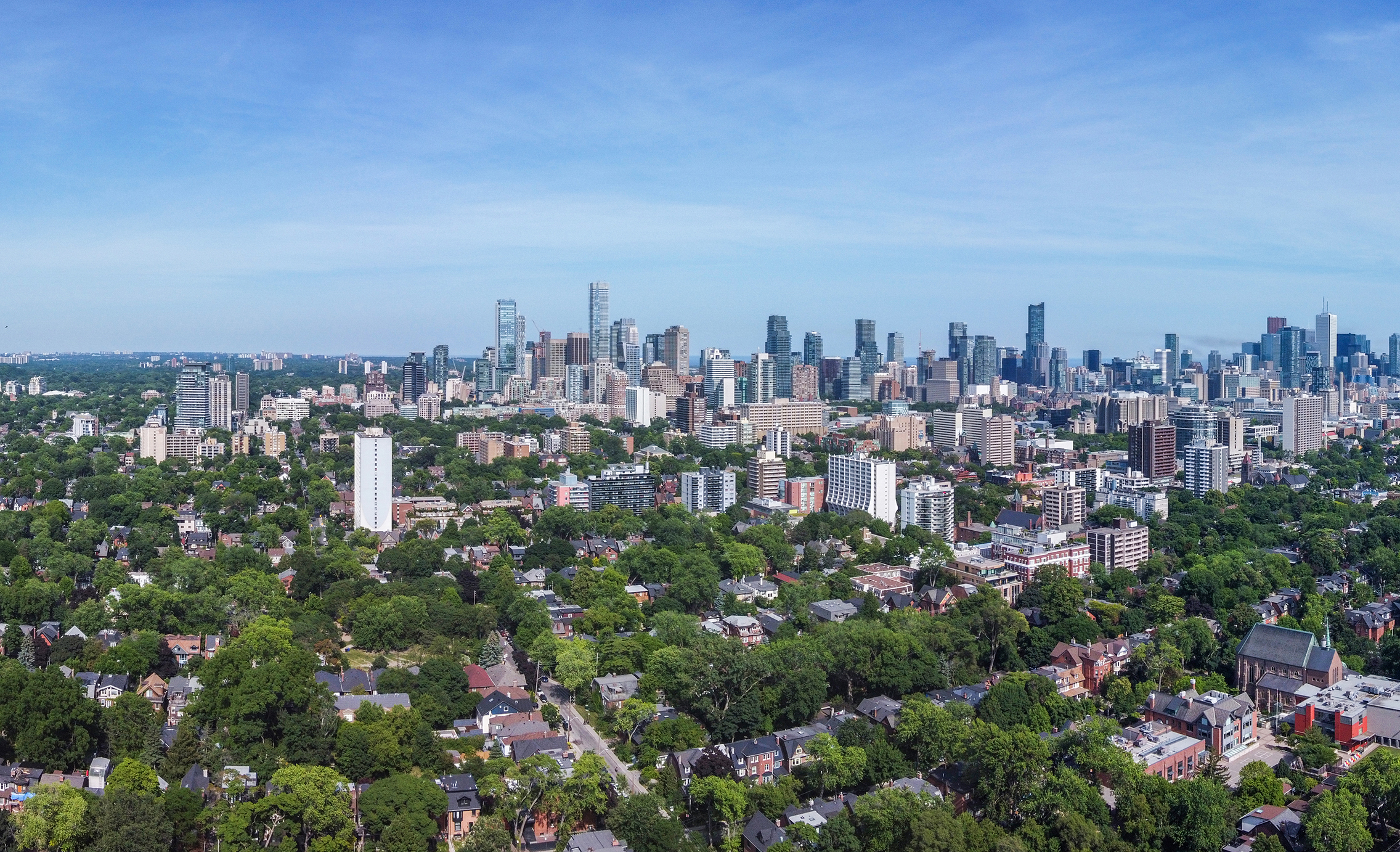
If you are looking for Airbnb management in The Annex, you are looking at a stable rental market. The neighbourhood runs north of Bloor Street, between Avenue Road and Bathurst Street, up to Dupont Street. Its streets are lined with tall trees and large Victorian and Edwardian houses. Most were built between 1880 and the early 1900s. Guests do not book the Annex for nightlife. They book it because the university, the museums, and the subway are all within walking distance.
The demand here follows the academic calendar as much as the tourist one. Visiting scholars, conference delegates, and parents of students fill the autumn and spring. Summer brings museum visitors and families who want a quiet house rather than a downtown hotel room. As a result, the Annex rewards owners who price for longer stays and repeat guests. A well-run listing here earns steadily across the year, without the sharp peaks and troughs of the entertainment districts.
Photo: Canmenwalker / Wikimedia Commons (CC BY 4.0)
Is Airbnb Actually Allowed in The Annex?
Yes — under Toronto’s citywide rules. A short-term rental must be the operator’s principal residence. The operator must be registered with the City of Toronto. Entire-home rentals are capped at 180 nights per year. You can read the full breakdown in our guide to Toronto’s Airbnb rules. The City’s own short-term rental page sets out the same requirements.
In the Annex, the rules land differently than in the condo districts. Most properties here are houses, so there is often no condo corporation to consult. Instead, the deciding factors are the heritage character of the street and the expectations of long-term neighbours. Over 500 Annex buildings are heritage-protected, and residents watch their streets closely. Casa Co-Host checks the registration position and the neighbourhood context before listing. That way, a guest issue never becomes a neighbourhood issue. That care is where Airbnb management in The Annex has to begin. A good reputation on a residential street is worth more than any single booking.
One Bedford — 1 Bedford Road, at Bloor and Avenue Road
The Annex’s best-known condo address is One Bedford, at 1 Bedford Road. It stands where the Annex meets Yorkville, at Bloor and Avenue Road. The building sits steps from the St. George subway station and the Bloor Street shops. Its suites are large by downtown standards, and its guests tend to be professionals and longer-stay visitors rather than weekenders. Listings here should sell the corner. The Royal Ontario Museum one way, the Annex streets the other, and two subway lines at the door. Units with a south outlook over the university campus carry a clear premium, and pricing should reflect it.
Prince Arthur Avenue — 55 Prince Arthur and The Prince Arthur at 38 Avenue Road
Prince Arthur Avenue is one of the Annex’s most distinguished residential streets. It holds two of its notable condo addresses. The building at 55 Prince Arthur Avenue is an 11-storey mid-rise, built in 1986. It offers spacious apartment-style suites and townhouses at grade. A short walk east, The Prince Arthur at 38 Avenue Road offers a similar boutique scale near the Yorkville edge. Both buildings draw the same guest: quiet, longer-stay visitors who want a residential street and a short walk to Bloor. Their listings compete on calm and space, not on views or amenities. House rules here are strict, and a manager who respects them protects the listing’s standing.
Exhibit Residences and the Bloor Street Condos — 200 and 206 Bloor Street West
Along Bloor Street itself, the condo stock changes character. Exhibit Residences at 200 Bloor Street West puts guests directly on the Bloor Street culture corridor. The neighbouring tower at 206 Bloor Street West does the same. Both sit between the Royal Ontario Museum and the Bata Shoe Museum. Farther west, the condo at 284 Bloor Street West serves the same corridor. So does the building at 736 Spadina Avenue, beside Spadina station. Both stand at the Annex’s western end. These buildings draw museum visitors, conference guests, and shoppers who want to step out of the lobby and onto Bloor. Their listings should name the museums and the subway stops in the first line of copy. They should also be honest about Bloor Street noise, which is real on the lower floors.
Madison Avenue and the Annex Style Houses
The Annex’s real housing stock is not condos at all. It is the Annex style house. Large brick homes with rounded Romanesque arches, turrets, and emphasized attics. The style is attributed to architect E. J. Lennox, and it was introduced at 37 Madison Avenue in 1887. Madison Avenue holds some of the finest examples. The surrounding streets — Bedford, Lowther, Admiral, Brunswick — hold hundreds more. Many of these houses were subdivided into apartments as the wealthy moved north. That is why the Annex now offers such a range of rental homes. Guests booking a whole house here want the heritage feel: high ceilings, original woodwork, and a garden. However, heritage homes need heritage-aware management. Old plumbing, old wiring, and heritage exteriors all need a manager who knows what to check before guests arrive.
What Top-Performing Annex Listings Do Differently
Success in the Annex is a calendar game with an academic anchor. The top performers price the university terms first. Then comes the spring festival season, then the summer museum months. Minimum stays match each one. They market the walk, not the unit. Five minutes to the campus. Eight to the ROM. The subway at the corner. They also manage the neighbourhood’s one real risk, which is neighbour relations on quiet residential streets. Clear house rules and party screening protect both reviews and the listing’s standing. Honest notes about stairs, parking, and street parking permits help too. In a neighbourhood this residential, the listings that last are the ones neighbours never complain about. That discipline is what professional Airbnb management in The Annex is really selling.
1. The University of Toronto and the Academic Calendar
The St. George campus borders the Annex along its southern and eastern edges, and it is the neighbourhood’s steadiest demand source. Visiting professors, conference delegates, researchers on sabbatical, and parents visiting students all need housing near campus. They book longer stays than tourists, they keep quiet hours, and they often return. The academic year sets the rhythm. Strong autumn and winter terms. A spring conference season. A quieter summer that still fills with summer-school visitors. Owners who plan for it treat September and January as the year’s anchor months. Listings that name the campus walk and the nearest college buildings convert that demand directly.
2. The ROM, the Bata Shoe Museum, and the Bloor Street Culture Corridor
The eastern end of the Bloor Street Culture Corridor is the Annex’s headline act. The Royal Ontario Museum sits at Bloor and Queen’s Park, with its crystal addition jutting over the street. A few blocks west stands the Bata Shoe Museum at 327 Bloor Street West. It turns footwear into a serious subject. Its shoebox-shaped building gets photographed as often as the collection. Together they give the neighbourhood a museum draw that few residential districts can match. Families and culture travellers book Annex homes as a base for both. They stay longer than the average downtown guest. Listings should name the museums and the walk times plainly.
3. Hot Docs Cinema and the Spring Festival Season
The Hot Docs Ted Rogers Cinema at 506 Bloor Street West is the world’s largest documentary cinema. It anchors the Annex’s spring. The Hot Docs Festival each spring brings filmmakers and audiences to Bloor Street for two weeks. The cinema’s year-round programme keeps a smaller stream of film visitors coming in every other month. That mix is gold for owners: a festival spike in spring, plus steady repertory demand the rest of the year. Few Toronto neighbourhoods offer a cinema of this standing on their main street. Listings near the cinema should say so, and price the festival fortnight accordingly.
4. Bloor Street Dining, Bookshops, and Koreatown
Bloor Street between Avenue Road and Bathurst is the Annex’s commercial spine. Bookshops, cafes, restaurants, and independent retailers fill buildings that often hold homes above. Just west of Bathurst, Koreatown’s restaurants and shops extend the strip toward Christie Street. That energy is the product for weekend guests. They choose an Annex home over a hotel because the street is downstairs. As a result, weekend occupancy stays strong even in months when downtown hotels soften. Listings that name specific bookshops, cafes, and restaurants convert that energy into bookings. This is the crowd Airbnb management in The Annex exists to serve.
5. Business Travel and the Downtown Core
The Annex sits two subway stops from the financial district. St. George and Spadina stations connect Lines 1 and 2, and the trip downtown takes minutes. That geography supports steady weekday demand. Consultants on weekly rotations. Conference delegates who prefer a house to a hotel. Professionals between downtown assignments. These guests book longer stays and quieter nights than the weekend crowd. Our CityPlace management guide covers the tower market just south. The Annex shares its business demand. It offers houses and garden suites instead of towers. Many business guests prefer exactly that.
6. Four Subway Stations and the Transit Advantage
Transit is the Annex’s quiet advantage. Four TTC subway stations serve the neighbourhood: Bathurst, Dupont, St. George, and Spadina. St. George and Spadina are interchange stations, linking the east-west and north-south lines. Streetcars run south from Bathurst and Spadina stations, and buses serve Avenue Road, Dupont, and Davenport. Guests can reach Union Station, the airport trains, and Pearson connections without a car. Listings should say so plainly. The nearest station, the walk time, and the Union Station connection all belong in the first screen of copy.
Airbnb Management in The Annex: How Casa Co-Host Manages Properties
Listing Optimization
Photography and copy that sell what the Annex actually is. The heritage houses, the campus, and the museums all belong in the listing. So does your home’s particular character. Honest guidance on stairs, parking, and street rules earns better-matched guests. See how we approach it in our guide to hiring an Airbnb manager in Toronto.
Dynamic Pricing
We shape rates around the academic calendar, the spring festival season, and conference dates. Minimum stays are tuned to each. Everything is managed against Toronto’s 180-night cap. Airbnb management in The Annex lives or dies on term-time pricing. So we build the year around the university calendar rather than reacting to it.
Guest Communication
Fast, local messaging from inquiry to checkout. Guests get parking guidance, the week’s museum highlights, and clear notes on how the house works. Arrival and quiet-hours guidance keeps guests, neighbours, and the street onside.
Cleaning, Inspections and Maintenance
Hotel-standard turnovers on tight term-change schedules. A documented inspection follows every stay. We also coordinate with trades who know old houses. Learn more about our experienced co-host program.
Own a Home or Condo in The Annex?
The Annex rewards owners who run it as a university-quarter business. Price the academic year first. Then add a spring festival calendar and house rules that protect the listing’s standing on a residential street. Casa Co-Host provides full-service Airbnb management in The Annex and across Toronto. Pricing, marketing, guest care, cleaning, and property care come under one roof. That covers heritage houses and boutique condos alike. Get in touch for a free income estimate, and find out what professional management could earn you here.
Airbnb Management in The Annex FAQs
Do I need a licence to run an Airbnb in The Annex?
You need a City of Toronto short-term rental registration, and the property must be your principal residence. Entire-home rentals are capped at 180 nights per year. Because most Annex properties are houses, there is often no condo corporation to consult. Heritage rules and neighbour expectations still apply. Casa Co-Host verifies the registration position before launch.
Are Annex homes better for long stays than weekends?
Generally, yes. The academic calendar drives the strongest demand: visiting scholars, conference delegates, and families of students book weeks rather than nights. Weekends still fill, thanks to the museums, the cinema, and Bloor Street dining. The best-performing Annex listings price for both. Longer minimum stays in term time. Shorter ones around festivals and summer weekends.
What does Casa Co-Host charge for Airbnb management in The Annex?
Our full-service management fee is a percentage of booking revenue. It typically falls in the 15 to 20 per cent range, depending on the property. There is no fixed-term contract. Pricing, marketing, guest communication, cleaning, and property care are all included.
What kinds of guests stay in The Annex?
A quieter mix than most of downtown. Visiting academics, researchers, and conference delegates lead it. Parents of University of Toronto students follow. Museum and festival visitors, plus families who want a whole house, fill the rest. It is a lower-energy guest mix. Screening and neighbour relations still matter. As a result, well-run listings here review so well despite the older housing stock.
