

The Beaches: Toronto’s Lakefront Neighbourhood, Built for Summer Stays
Key Takeaways
- The Beaches counted about 226 Airbnb listings in a September 2026 snapshot of public listings — a small, house-led market, not a tower district. Most of the stock is detached and semi-detached houses, low-rise apartments, and boutique condos along Queen Street East.
- Toronto rules: principal residence only, City registration required, and entire-home rentals capped at 180 nights per year. Where a condo corporation is involved, its rules apply on top.
- The Beaches sells the lake. The boardwalk, four beaches, and the Queen Street East main street drive summer demand, while the jazz festival fills July and family-sized houses hold the shoulder seasons.
| Toronto Short-Term Rental Rules at a Glance | |
|---|---|
| City registration | Required for all operators |
| Principal residence | Required — you can only rent your own home |
| Entire-home night cap | 180 nights per calendar year |
| Municipal accommodation tax | 6% MAT, collected on stays under 30 nights |
| Condo corporation rules | Vary by building — some permit, some restrict, some prohibit STRs |
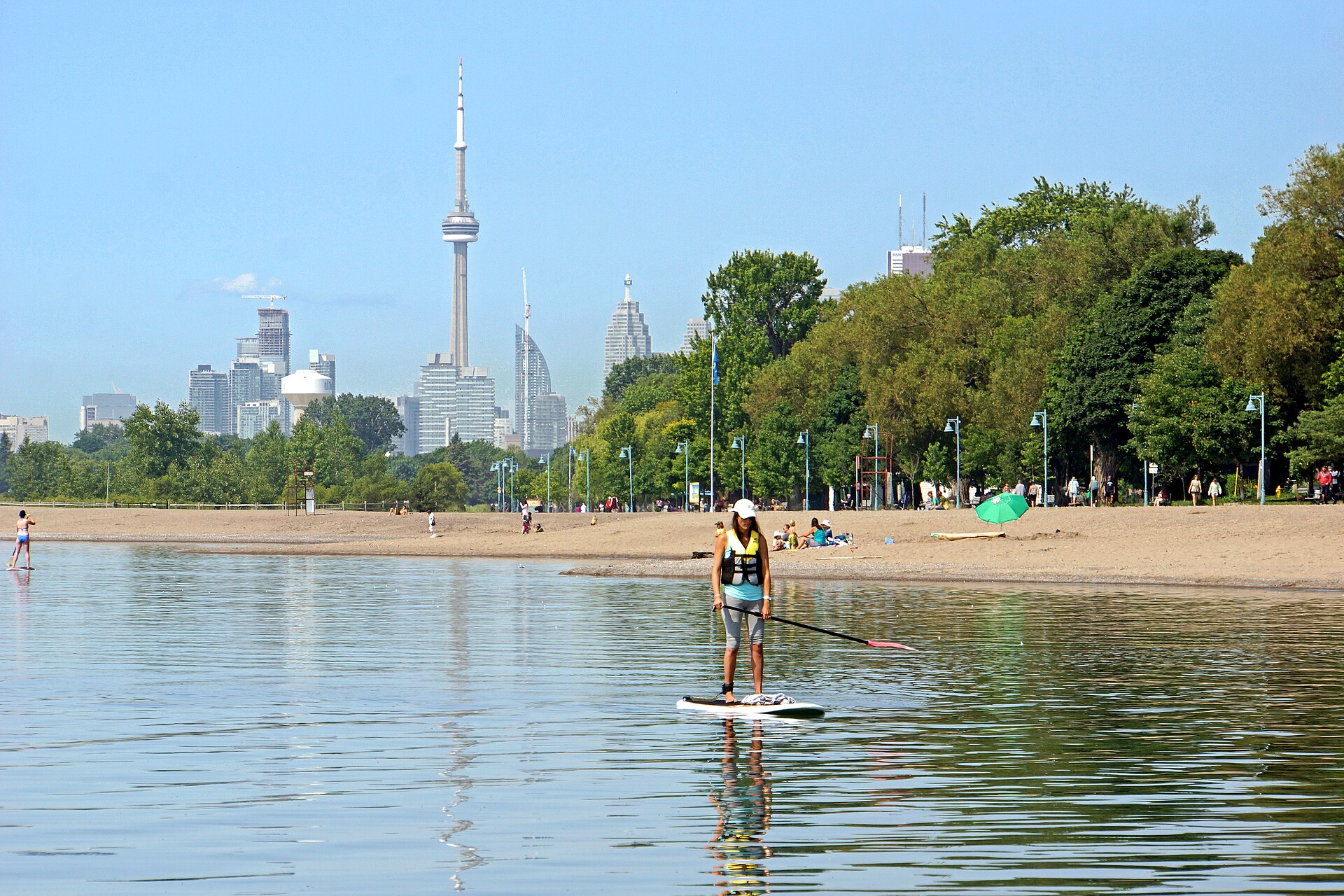
If you are looking for Airbnb management in The Beaches, you are looking at Toronto’s most seasonal rental market. The neighbourhood runs along Queen Street East from Coxwell Avenue to Victoria Park Avenue, with the lake at its south edge. Four beaches share one unbroken stretch of sand: Woodbine, Kew, Scarboro, and Balmy. A boardwalk runs the length of it. Guests do not book The Beaches for nightlife. They book it for the water, the main street, and a house with a yard ten minutes from the sand.
The numbers show a small, distinctive market. A September 2026 snapshot of public listings counted about 226 Airbnb listings across The Beaches district. That is a fraction of the downtown tower districts, and the mix is different too. In the City’s neighbourhood profile, 28 per cent of homes here are detached houses and another 19 per cent are semis or row houses. A further 41 per cent sit in low-rise buildings. Only 8 per cent are in buildings of five or more storeys. In other words, the typical Beaches rental is a house or a flat, not a condo tower suite. That shape is exactly why professional Airbnb management in The Beaches looks different from downtown management.
Photo: Dennis G. Jarvis / Wikimedia Commons (CC BY-SA 2.0)
Is Airbnb Actually Allowed in The Beaches?
Yes — under Toronto’s citywide rules. A short-term rental must be the operator’s principal residence. The operator must be registered with the City of Toronto, and entire-home rentals are capped at 180 nights per year. You can read the full breakdown in our guide to Toronto’s Airbnb rules, and the City’s own short-term rental page sets out the same requirements.
In The Beaches, though, the principal-residence rule matters more than it does downtown. There is almost no investor condo stock here to rent out. The viable listings are homes people actually live in: a house rented while the owner travels, a garden suite, or a lower-level flat in an owner-occupied home. That is also why the neighbourhood’s listings skew toward whole houses and longer stays. Casa Co-Host checks the rules for your property type before listing, so the 180-night cap and the registration are handled correctly from day one. That check is where Airbnb management in The Beaches has to begin, because the rules, not the market, set the ceiling here.
The Beach Condominiums — Queen Street East’s Boutique Series
The closest thing The Beaches has to a condo district is the Beach Condominiums series along Queen Street East. Pemberton Group built five low-rise buildings between Woodbine and Kippendavie Avenues. The Beach Condominiums I, at 1829 Queen Street East, opened in 1999 with 48 suites over four storeys. The Beach Condominiums II sits at 1797 Queen Street East, and III at 1765 Queen Street East. The Beach Condominiums IV, at 1733 Queen Street East, followed in 2003 with 104 suites over five storeys. The Beach Condominiums V stands at 1863 Queen Street East. None of these is a tower. They are brick, mid-block buildings with retail at grade and the beach a short walk south. Suites here suit couples and small families who want the main street at the door and the lake at the end of the block.
The Boardwalk and WestBeach — Woodbine’s Lakefront Edge
At the neighbourhood’s west end, the buildings sit closest to the water. The Boardwalk, at 35 Boardwalk Drive, is a five-storey, 95-unit building completed in 2001, just north of Woodbine Beach. Its south-facing suites look over Woodbine Park toward the lake. A few blocks east, WestBeach Condos at 1630 Queen Street East anchors the corner where the main street meets the park. Farther east still, Queen & Ashbridge at 1050 Eastern Avenue marks the western gateway, between Ashbridges Bay and the downtown core. Guests booking this end of The Beaches get the shortest walk to the sand and the easiest streetcar ride downtown. Owners here should market the park, the boardwalk, and the beach access first, because that is what the address sells.
Kew Beach Condos, Bellefair, and the Kew Gardens Pocket
The neighbourhood’s centre, around Kew Gardens, holds its most distinctive small buildings. Kew Beach Condos, at 1941 Queen Street East, is a three-storey building from 1992 with just 12 suites. Across the street, the Bellefair Kew Beach Residences at 2 Bellefair Avenue converted a 1922 United Church into 29 luxury condos, completed in 2015. Nearby, Lakehouse Beach Residences at 1960 Queen Street East and the Kew Beach Lofts at 66 Kippendavie Avenue add boutique options within a block of the park. Kew Gardens itself runs from Queen Street down to the lake, with a bandshell, a playground, and a wading pool. This pocket is the family heart of The Beaches. Listings here do best with family-sized layouts, clear beach guidance, and honest notes about summer crowds on the main street.
The Houses Between Queen and the Lake
Most Beaches rentals, however, are not condos at all. The streets south of Queen — Lee, Wineva, Bellefair, and the roads down to the lake — are lined with detached and semi-detached houses, many with gardens and decks. North of Queen, the same pattern runs up toward Kingston Road. These houses are the neighbourhood’s real short-term rental stock. They sleep four to eight guests, they offer yards and barbecues, and they suit the family and group stays that downtown condos cannot. Beach House Lofts at 1842 Queen Street East and Waterworks Lofts at 2362 Queen Street East, across from the R.C. Harris Water Treatment Plant, add loft character at the strip’s east end. But the house is the product here. Owners who present a whole home well do better than the condo stock on rate and length of stay. A real kitchen, a garden, parking guidance, and a beach kit make the difference.
Airbnb Management in The Beaches: What Top-Performing Listings Do Differently
Success in The Beaches is a season game. The top performers price June through September first, then the jazz festival weekends, then the shoulder months, and they set minimum stays that match each one. They market the walk, not the unit: four minutes to Kew Beach, six to the boardwalk, the streetcar at the corner. They also manage the neighbourhood’s one real risk, which is summer noise. Clear house rules, party screening, and honest notes about busy July weekends protect both reviews and neighbour relations. In a community this tight-knit, the listings that last are the ones neighbours never complain about. That discipline is what professional Airbnb management in The Beaches is really selling.
1. The Beach, the Boardwalk, and the Summer Season
The lake is the demand engine. Woodbine Beach and Kew-Balmy Beach both hold Blue Flag certification for cleanliness, and lifeguards watch the swimming areas in season. The boardwalk runs for kilometres along the shore, busy with runners, cyclists, and families from May through October. Kew Gardens and Woodbine Park add playgrounds, a skateboard park, and picnic space. Summer guests come for exactly this: a beach day without leaving the city. Owners who plan for it treat June through September as the year’s anchor. Owners who do not leave the neighbourhood’s best revenue on the table.
2. The Beaches Jazz Festival
Every July, the Beaches International Jazz Festival takes over the neighbourhood for a month. The festival began in 1989 at the Kew Gardens Bandshell. It now runs across Woodbine Park, Jimmie Simpson Park, and a two-kilometre stretch of Queen Street East during StreetFest. Around 1,000 artists perform each year, and the event draws hundreds of thousands of visitors across its four weekends. StreetFest alone closes Queen Street East for three evenings of live bands. For owners, July is the peak: festival guests book early, stay for long weekends, and pay summer rates. You can see the current programme at Beaches Jazz Festival. Pricing July first, and holding minimum stays through the festival weekends, is the single highest-value habit in this market.
3. Family-Sized Houses and Longer Stays
The Beaches is Toronto’s family-stay neighbourhood. Whole houses with three or four bedrooms, backyards, and full kitchens draw groups that cannot fit in a downtown condo. Visiting grandparents, reunion groups, and families relocating to Toronto all book here. These guests stay longer — often a week or more — and they book further ahead. As a result, the neighbourhood rewards owners who furnish for families. Proper beds in every room, a dining table that seats the house, and a kitchen that actually cooks all matter. Longer stays also soften the 180-night cap, since a two-week booking uses the same turnover effort as a weekend one. This is the crowd Airbnb management in The Beaches exists to serve, and it is a steadier crowd than the downtown weekend market.
4. Queen Street East, the Main Street
Queen Street East is the neighbourhood’s second draw. The strip between Woodbine and Victoria Park is lined with independent boutiques, cafés, bakeries, and restaurants. It reads as a small-town main street inside a big city, and guests notice. Unlike the chain-heavy strips downtown, Queen East gives visitors a reason to stroll. Listings that name specific cafés, bookshops, and patios in their copy convert that character into bookings. The strip also supports the shoulder seasons: a rainy October weekend still works when the cafés and shops are the plan. Owners should keep their local recommendations current, because a dated guide is the fastest way to look like an absentee host.
5. The Shoulder Seasons: Spring and Fall Weekends
Summer peaks, but The Beaches does not close in October. Spring brings the first boardwalk weekends, and fall brings some of the year’s best lake light. The neighbourhood’s restaurants and cafés stay open all year, and the streetcar keeps downtown within reach. Consequently, well-priced listings hold weekend occupancy through the shoulder months, especially for couples and small groups. The trick is pricing: shoulder-season rates need to reflect the season honestly, and minimum stays should drop to two nights. Owners who hold July prices into November sit empty. Owners who move with the calendar keep the year working. That is the difference professional pricing makes in a seasonal market.
6. Ashbridges Bay, the Trail, and the Active Lakefront
East of downtown, the waterfront trail system gives The Beaches a second active draw. The Martin Goodman Trail runs along the shore through Ashbridges Bay Park, linking the neighbourhood to the Port Lands and the downtown waterfront. Cyclists, runners, and rollerbladers use it all year. Ashbridges Bay itself offers a marina-side park and open green space at the neighbourhood’s west edge. Guests who travel with bikes, running shoes, or dogs choose The Beaches for this access. Listings should say so plainly: the trail distance, the bike storage, and the park access all belong in the first screen of copy.
Airbnb Management in The Beaches: How Casa Co-Host Manages Properties
Listing Optimization
Photography and copy that sell what The Beaches actually is — the boardwalk, the beaches, the main street, and your home’s particular character. Honest guidance on parking, beach access, and summer crowds earns better-matched guests. See how we approach it in our guide to hiring an Airbnb manager in Toronto.
Dynamic Pricing
Rates shaped around the summer season, the jazz festival calendar, and the shoulder months, with minimum stays tuned to each — all managed against Toronto’s 180-night cap. Airbnb management in The Beaches lives or dies on July pricing, so we build the year around it rather than reacting to it.
Guest Communication
Fast, local messaging from inquiry to checkout. Where to park, which beach suits your group, and what is on at the festival this week — plus clear arrival and quiet-hours guidance that keeps guests and neighbours onside.
Cleaning, Inspections and Maintenance
Hotel-standard turnovers on tight summer changeover days, a documented inspection after every stay, and coordination with your building’s concierge where one exists. Learn more about our experienced co-host program.
Own a Home or Condo in The Beaches?
The Beaches rewards owners who run it as a seasonal business: a priced summer, a festival calendar, and house rules that protect the listing’s standing on its street. Casa Co-Host provides full-service Airbnb management in The Beaches and across Toronto. Pricing, marketing, guest care, cleaning, and property care come under one roof, for lakefront houses and Queen East condos alike. Get in touch for a free income estimate, and find out what professional management could earn you here.
Airbnb Management in The Beaches FAQs
Do I need a licence to run an Airbnb in The Beaches?
You need a City of Toronto short-term rental registration, and the property must be your principal residence. Entire-home rentals are capped at 180 nights per year. Most Beaches properties are houses, so condo-board rules rarely apply — but where your home is a condo, the corporation’s rules apply on top of the City’s. Casa Co-Host verifies both before launch.
Is The Beaches only busy in summer?
Summer is the peak, and July — jazz festival month — is the strongest stretch. However, the neighbourhood holds weekend demand through spring and fall on the strength of the main street, the boardwalk, and family-sized houses. Winter is quieter, which is why pricing and minimum stays should move with the calendar rather than staying fixed all year.
What does Casa Co-Host charge for Airbnb management in The Beaches?
Our full-service management fee is a percentage of booking revenue. It typically falls in the 15 to 20 per cent range depending on the property, with no fixed-term contract. Pricing, marketing, guest communication, cleaning, and property care are all included.
What kinds of guests stay in The Beaches?
Mostly families and groups: beach holidays in summer, festival visitors in July, visiting relatives, and relocating families who want a whole house while they settle in. It is a calmer guest mix than downtown, which is why longer stays and family-ready furnishing matter more here than nightlife guidance.
